
Introduction: The Shift from Searching to Living
For a long time, the pursuit of peace can feel like a project. You read, you reflect, you adjust your boundaries, and you pay close attention to your reactions. You notice when old habits resurface, and you spend significant energy analyzing whether you are handling your days with enough balance.
And then, almost without an announcement, a different chapter begins.
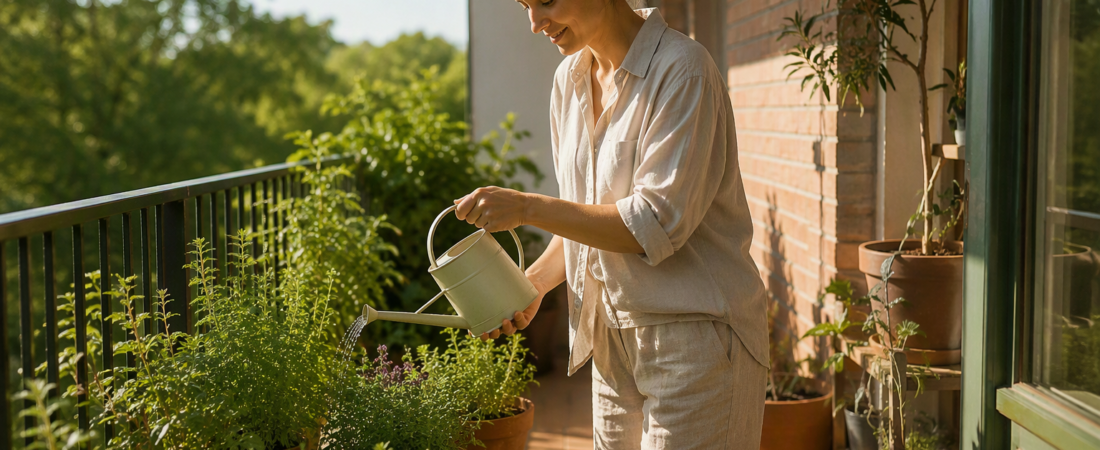
You wake up on an ordinary morning, move through your routine, and realize that nothing in particular is demanding your urgent attention. No difficult message is waiting to be untangled. No emotional crisis is asking to be solved. You make your breakfast, water your plants, step into your day, and notice something quiet: you are no longer bracing for an interruption.
This is the stage of growth where peace stops feeling like an unexpected visitor and begins to feel like the place where you actually live.
It is a subtle transition, but it represents one of the most profound shifts in personal well-being. Peace does not have to feel dramatic or thrilling to be valuable. A quieter, steadier life can eventually become something you simply inhabit rather than something you constantly examine.
Getting Accustomed to Calmer Days
When someone has lived through prolonged seasons of uncertainty, busyness, or emotional turbulence, calm can initially feel unfamiliar. For a while, the absence of friction might even feel slightly unsettling, as if quietness were merely a temporary lull before the next demand arrives.
Over time, however, your perspective begins to adjust to the presence of ease.
You begin to notice that a quiet week is not an empty week. An evening with nothing scheduled is no longer something you rush to fill out of restlessness. You start to recognize that calm days are not fragile exceptions that must be protected with intense vigilance; they are simply the natural rhythm of a life that is no longer organized around constant urgency.
In this stage, you find yourself letting down the subtle guard you used to carry. You stop anticipating sudden disruptions in situations where people are being steady and kind. You stop assuming that every delayed reply or shift in tone signals an impending problem. The world around you may still have its normal complexities, but your internal baseline has settled into something far more dependable.
Learning to feel comfortable in this rhythm is a natural progression from understanding why peace feels uncomfortable after chaos. Once the unfamiliarity softens, calm begins to feel like home.
Letting Go of the Need to Search for Problems
One of the most interesting challenges of arriving at a peaceful stage of life is resisting the temptation to invent new things to fix.
When you have spent years working through personal growth, resolving conflicts, or improving yourself, self-reflection can become its own form of momentum. You can become so accustomed to looking for areas of improvement that you continue scanning your thoughts, relationships, and habits for hidden flaws even when life is flowing smoothly.
Allowing peace to feel normal means giving yourself permission to stop auditing your life every day.
You do not need to turn every mild emotion into a breakthrough moment. You do not need to analyze every mood, dissect every conversation, or treat every peaceful afternoon as a milestone that requires journaling. Sometimes a pleasant walk is just a pleasant walk. Sometimes a quiet conversation over dinner is simply two people enjoying each other’s company.
When you stop treating your life as a perpetual renovation project, you free up immense mental space. You allow yourself to enjoy what is already working well instead of constantly looking for what might need repair.
Allowing Ordinary Happiness to Be Enough
Modern culture often equates a meaningful life with constant excitement, major milestones, and intense emotional highs. We are subtly encouraged to believe that unless an experience is extraordinary, memorable, or visually impressive, it somehow does not count.
Yet, when peace begins to settle into your daily reality, your definition of fulfillment naturally changes.
You start finding genuine delight in ordinary, unglamorous things:
- The comfort of clean
- and an unhurried morning.
- Preparing a simple meal with fresh ingredients and eating it without distraction.
- A steady, respectful friendship where you can sit together in comfortable silence.
- Finishing an honest day of work and leaving your responsibilities at the door.
- Watching afternoon light move across a room while listening to quiet music.
These moments do not ask for an audience, and they do not require grand validation. They are quiet, personal pleasures that carry their own deep nourishment. When you allow ordinary happiness to be enough, life becomes rich in ways that constant stimulation can never match.
Recognizing That Growth Can Look Uneventful
We often imagine that personal growth is marked by dramatic turning points, emotional revelations, or visible external achievements. While those moments certainly happen, mature growth often looks remarkably uneventful from the outside.
Growth looks like choosing an early night of rest instead of staying up to overthink a situation you cannot control. It looks like leaving an unproductive disagreement without needing to have the last word. It looks like enjoying a hobby simply because it brings you joy, without turning it into a goal or a side project.
It looks like realizing that the difference between loneliness and solitude is no longer an intellectual concept to you, but a lived experience of enjoying your own company without feeling empty.
When growth becomes uneventful, it means your inner life has stabilized. You are no longer measuring your progress by how much emotional turmoil you have navigated; you are measuring it by the steady presence of ease in your daily choices.
Building a Life of Gentle Simplicity
Creating a life that supports lasting peace is an ongoing, practical art. It is less about grand declarations and more about the small, intentional boundaries you set around your everyday environment:
Protecting Your Margins
Leave buffer space between your commitments. When your calendar has room to breathe, unexpected delays or minor disruptions do not immediately trigger a cascade of stress.
Choosing Restful Environments
Pay attention to the sounds, media, and conversations you invite into your home. Filling your living space with calm lighting, gentle music, and unhurried conversation creates a physical sanctuary that supports your mental well-being.
Savoring the Steady Connections
Invest your energy in relationships that feel grounded, mutual, and clear. As peace becomes your baseline, you naturally gravitate toward people who communicate openly and respect your rhythm, complementing what you learn when exploring why self-worth is not selfish.
For those who enjoy capturing these quiet milestones and exploring life after healing, writing in guided reflection journals and books can provide a gentle, private way to honor how far your journey has brought you.
Living Inside the Quiet: A Hopeful Perspective
If you find yourself in a season where life has become quieter, slower, or less intense than it used to be, let yourself settle into it without hesitation.
You do not need to justify your calm to anyone. You do not need to create urgency to feel productive, and you do not need to manufacture drama to feel alive. You have arrived at a place where life is allowed to be gentle.
Peace is not a prize you win and then lose; it is a way of walking through the world that deepens with practice. Let today be simple. Let your routines carry you forward. Trust that the quiet life you are building is not only valid—it is a beautiful, steady place to call home.
Gentle Questions for Reflection
- What is an ordinary pleasure in my daily routine that I can savor more deeply today?
- In what areas of my life am I still tempted to search for problems that are not actually there?
- How does it feel to let an uneventful, peaceful day be completely enough?